

 Current position > Product detail
『Reading of glass rotor flowmeter』Related information(flow rotameter|digital flow meter|balo meter|hydraulic flow meter|volumetric meter|positive displacement meter|pitot tube flow meter|displacement meter|cfm meter|variable area flow meter|inline flow meter|differential pressure flow meter|calibrated flow meter|velocity meter|paddle wheel flow meter|oval gear flow meter|anemometer hvac|multiphase flow meter|doppler flow meter|thorpe tube flowmeter|heat flow meter)
1. What standard is the float reading of the glass tube flowmeter based on?
The float reading of the glass tube flowmeter follows the four calibration standards of position, medium, unit, and temperature and pressure. The reading needs to be positioned according to the shape of the float and adjusted according to the actual working conditions. 1. Reading positioning rules: The shape of the float directly affects the corresponding position of the scale: • Circular float: Take the glass tube scale corresponding to the geometric centerline of the maximum diameter of the float body • Conical float (such as a rotor flowmeter): Read the scale line pointed by the tip of the cone, and the accurate value is when the horizontal tangent of the tip is level with the scale line. 2 The key points for confirming the unit system are that the flow meter glass tube is usually marked with L/h (liters/hour) or m ³/h (cubic meters/hour). The unit: - Before reading, the unit identification next to the instrument label or scale should be clearly defined to prevent misreading. - The gas flow meter section uses NL/h (standard liters/hour), representing the flow rate under standard conditions (0 ℃, 1atm) Compensation for medium characteristics: The difference in physical properties between the actual fluid and the calibration cars hungry medium needs to be corrected. Reading: - Liquid measurement: When the density deviation exceeds 5%, convert according to the formula Qactual=Qreading × √ (ρ standard closed calibration/ρ actual) (ρ is the density of the medium) - Gas measurement: In addition to density, viscosity influence coefficient also needs to be considered, which can be adjusted through the correction curve table provided by the
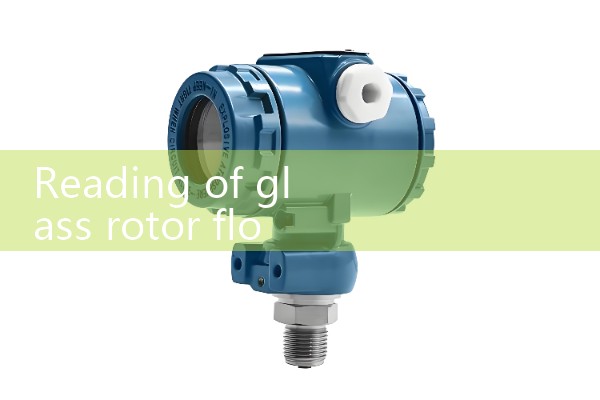
2. How should I read a rotor flowmeter? Why?
The reading method for the rotor flowmeter is as follows: For the sub flowmeter reading method, stand in front of the flowmeter, with your eyes parallel to the float, and move your line of sight horizontally to the left until you see the outline of the float touching the positioning line. The corresponding reading value is at the intersection of the positioning line and the horizontal scale in the middle of the float.. A rotor flowmeter measures fluid flow based on the principle of throttling, but it changes the flow area of the fluid to maintain a constant differential pressure between the upper and lower parts of the rotor. Therefore, it is also known as a variable flow area constant differential pressure flowmeter or a float flowmeter. In a vertical conical tube that expands from bottom to top, the gravity of the circular cross-section float is supported by liqu