

『Oil Flow Meter 200C: Insulation Rules for Hot Oil Processing Skids』Related information(flow rotameter|digital flow meter|balo meter|hydraulic flow meter|volumetric meter|positive displacement meter|pitot tube flow meter|displacement meter|cfm meter|variable area flow meter|inline flow meter|differential pressure flow meter|calibrated flow meter|velocity meter|paddle wheel flow meter|oval gear flow meter|anemometer hvac|multiphase flow meter|doppler flow meter|thorpe tube flowmeter|heat flow meter)

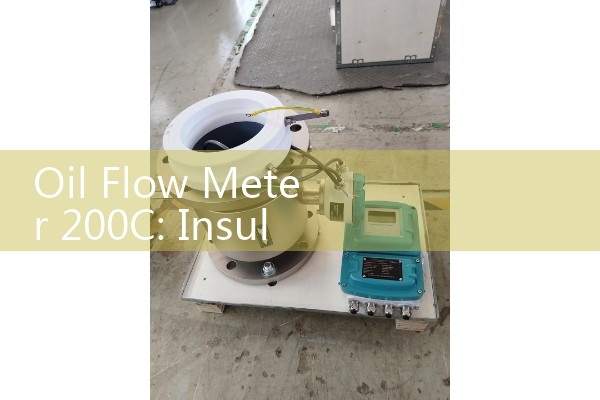
Oil Flow Meter 200C: Insulation Rules for Hot Oil Processing Skids
Quick Answer
For hot oil skids running at 200 °C, always insulate the flow meter body and adjacent pipe spools using closed‑cell mineral wool or calcium silicate with a minimum thickness of 50 mm. Pair the insulation with a Silver Instruments oval gear flow meter model OG‑HT, which includes a built‑in PT100 temperature sensor and 4–20 mA HART output for real‑time viscosity correction. Without proper insulation we have seen measurement drift of 2–3 % within the first hour after start‑up on thermal oil systems in Vietnam and the Philippines.
What Happens When You Skip Insulation
Hot oil is messy. Heat transfer fluids like Therminol or Mobiltherm lose temperature rapidly across uninsulated spools and valve bodies. When the fluid cools inside the meter chamber, viscosity rises and the oval gear rotors begin to drag. You get under‑registration for the first few minutes after a cold start. In a typical 4‑inch (DN100) pipe on a skid in Malaysia, uninsulated pipe drops the oil temperature by 8 to 12 °C between the heater outlet and the flow meter inlet. That small drop pushes the fluid close to its wax point on some synthetic aromatics. We have seen this exact problem on a biodiesel plant in Surabaya where the operator complained the meter was “stuck” every morning. It was not the meter. It was cold oil gelling inside the chamber.
Oil Flow Meter 200C Product Essentials
Silver Automation Instruments built the OG‑HT series for applications exactly like this. The body is cast iron or stainless steel, rated PN40, and the gear set runs in hardened steel or PPS with graphite bearings. Operating temperature is ‑20 °C to 200 °C continuous, with short excursions to 220 °C. Standard sizes range from DN15 up to DN80, covering 0.5 to 500 L/min on thermal oil. Every meter leaves our factory with an embedded PT100 RTD tapped directly into the measuring chamber wall, not just strapped onto the outside. That gives true fluid temperature for density and viscosity compensation. The transmitter outputs 4–20 mA HART with pulse, and we factory‑configure the K‑factor at the viscosity of your actual heat transfer fluid — not water, not diesel. If you send us the oil datasheet, we tune it on our calibration rig before shipping.
Insulation Rules That Work on a Real Skid
Here is the thing. Insulating a flow meter on a hot oil skid is not the same as insulating a long pipeline. The meter neck, the transmitter housing, and the terminal box must breathe. Engineers often make the mistake of wrapping the entire meter in one block of insulation. That kills the electronics in six months. We have replaced enough fried pre‑amplifiers on customer sites to know this rule is not optional.
Keep the insulation jacket tight to the meter body and the adjacent straight pipe — min 10 DN upstream, 5 DN downstream — and stop exactly at the neck flange. The gap between the body jacket and the transmitter housing must be at least 30 mm of open air. This lets the 4–20 mA board stay below 70 °C ambient even when the process is at 200 °C. On an ATEX Zone 1 skid in Qatar, we added a simple aluminium heat shield between the insulation and the terminal box. Temperature inside the box stayed at 58 °C in a 45 °C ambient. Without the gap and shield, it hit 85 °C and the loop current started drifting.
Material selection matters because hot oil auto‑ignites if it soaks into porous insulation. We specify closed‑cell calcium silicate or mi
Real Behaviour from a Customer in Thailand
A paint resin manufacturer in Rayong, Thailand, operates three hot oil skids running at 195 °C with Dowtherm A. Their original gear meter from another brand was installed bare, no insulation. Every Monday morning start‑up required 30 minutes of venting and tapping the meter body before it would read steady flow. The plant manager assumed all gear meters behave this way. We shipped a DN25 OG‑HT with factory‑set K‑factor at the oil viscosity at 195 °C, plus a pre‑formed calcium silicate jacket with 1 mm stainless steel cladding. The jacket came in two halves with quick‑release latches so the maintenance team can remove it in under two minutes for inspection. Since installation in November 2023, the meter reads ±0.5 % repeatability from the first minute of flow, no tapping, no venting. Their morning shift now starts 25 minutes earlier for actual production, not for meter troubleshooting.
FAQ
Can I insulate a flow meter on a hot oil skid that runs at 180 °C?
Yes, but the rules do not change. 180 °C is still high enough to degrade electronics if you wrap the transmitter. Use the 30‑mm gap and an air‑ventilated shield. Silver Instruments supplies pre‑cut jackets for all standard OG‑HT meters that follow this geometry.
Does Silver Instruments provide the insulation jacket or do I source it locally?
We can ship the flow meter with a factory‑fitted calcium silicate jacket and stainless steel cladding as a single part number. If you prefer to source locally, we give you a dimensioned drawing showing the exact jacket limits. Most EPC contractors in the Middle East take the drawing and build the jacket on site.
What if my thermal oil viscosity changes from winter to summer?
The OG‑HT transmitter accepts a live 4–20 mA temperature input from the built‑in PT100 and uses a polynomial compensation curve loaded during calibration. You just need to send us the viscosity‑temperature table of your oil (cP at 20 °C, 100 °C, 150 °C, 200 °C). We do the rest before dispatch.
Is the meter ATEX certified for hot oil skids in Zone 1?
Yes. The OG‑HT with the intrinsically safe pre‑amplifier is certified ATEX II 2G Ex ia IIC T4 Gb. The certification covers process temperatures up to 200 °C. We include the EU‑type examination certificate with every shipment.
Can I use the same insulation rules for a Coriolis meter on hot oil?
The rules differ because a Coriolis meter has a heavier casing and different heat paths. If you are considering a Coriolis for thermal oil, send us the flow range and pipe size. We will suggest either the insulated oval gear OG‑HT or a high‑temperature Coriolis model with specific insulation limits.
Send us your thermal oil datasheet, operating temperature (°C), pipe size (DN), flow range, and hazardous area zone. We will recommend the right Oil Flow Meter 200C configuration and an insulation kit that prevents morning start‑up drift. Email your specs to [email protected] or use the inquiry form on our site.
 Hot Blog
 Related AD