

『Hersey Flow Meter Manual: Sizing and Testing Municipal Compound Fire Line Water Meters』Related information(flow rotameter|digital flow meter|balo meter|hydraulic flow meter|volumetric meter|positive displacement meter|pitot tube flow meter|displacement meter|cfm meter|variable area flow meter|inline flow meter|differential pressure flow meter|calibrated flow meter|velocity meter|paddle wheel flow meter|oval gear flow meter|anemometer hvac|multiphase flow meter|doppler flow meter|thorpe tube flowmeter|heat flow meter)
Sizing and Testing Municipal Compound Fire Line Water Meters: A Practical Guide Based on the Hersey Flow Meter Manual
Quick Answer: Use the Hersey flow meter manual to size a municipal compound fire line water meter across low and fire flow ranges. Test at low flow, transition flow, and high flow. If the existing meter fails or cannot handle the range, Silver Instruments supplies electromagnetic and clamp-on ultrasonic flow meters for DN80 to DN200 fire line service.
Most municipal fire line water meters are compound meters. They combine a main line meter and a small bypass meter. The bypass handles low flow when fire demand does not exist. The main meter handles high flow during fire or hydrant testing.
The Hersey manual explains sizing in detail. Many engineers skip the low flow check. We have seen this on customer sites in Southeast Asia. A compound meter sized only for fire flow will under-register at night flow. That leads to lost revenue for the water utility.
Sizing Steps from the Hersey Manual
Start with pipe size. Municipal fire lines usually run DN100, DN150, or DN200. The meter size should match the pipe unless pressure loss becomes an issue. The Hersey manual lists pressure loss curves for each model.
Then check the minimum flow. A DN100 compound meter may have a minimum flow of 0.25 m3/h. The bypass meter covers that range. The main meter starts at maybe 5 m3/h. The transition point matters. If the customer site has a small leak at night, the bypass meter must capture it.
After that, check the maximum fire flow. For a DN150 fire line, fire demand can reach 450 m3/h in some districts. Size the meter so that maximum flow stays below the meter overload limit. The Hersey manual gives continuous and maximum intermittent ratings.
Most engineers skip the transition check. Here is the thing. A compound meter has a crossover valve that opens when flow increases. If that valve sticks, the meter under-registers medium flows. We saw a DN150 meter in Cebu, Philippines that under-registered by 9 percent at 12 m3/h because the bypass valve was stuck closed.
Testing Municipal Compound Fire Line Water Meters
Field testing follows the same three points. Test at low flow, transition flow, and high flow. The Hersey manual recommends a calibrated reference meter or a volumetric tank for low flow. For high flow, a fire pump test or hydrant flow test works.
Do not rely on one test point. A meter can pass high flow and fail low flow. We have seen this many times. Low flow under-registration is common in municipal fi
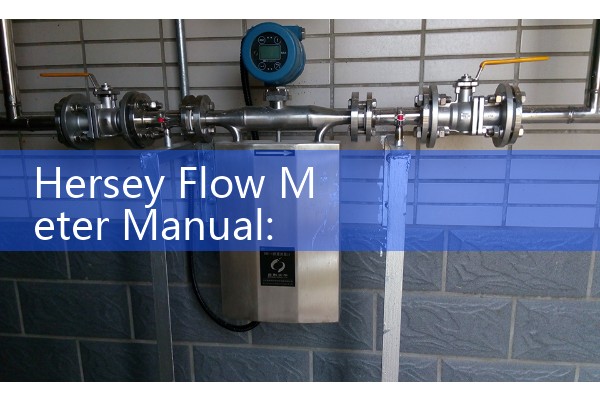
Test pressure is also important. Most fire line meters are rated for PN16 or PN10. If the utility runs a pressure test at 12 bar, the meter must hold without leaks. The Hersey manual includes hydrostatic test procedures. Always isolate the meter before pressure testing to protect the register.
Where Silver Instruments Flow Meters Fit
Silver Instruments makes electromagnetic flow meters for full pipe water service. These meters have no moving parts. They work well for fire line monitoring when the utility wants a digital signal and no mechanical bypass. Model SIL-EMF-DN100 covers 0.5 to 500 m3/h with accuracy of ±0.5 percent. It outputs 4-20 mA HART and RS485 Modbus RTU.
For existing compound meter verification, we supply clamp-on ultrasonic flow meters. Model SIL-UF-C mounts outside the pipe. No line shutdown is needed. A water utility in Johor, Malaysia used this meter to check a DN200 fire line meter without cutting the pipe.
Both meter types are suitable for municipal fire water. The electromagnetic meter needs a full pipe. The clamp-on ultrasonic meter needs clean pipe surface and stable flow profile. For custody transfer or billing, the electromagnetic meter is the better choice.
FAQ
What is a compound fire line water meter?
A compound meter combines a main line meter and a bypass meter. It covers wide flow range from low night flow to full fire flow.
How do you size a municipal compound fire line water meter using the Hersey manual?
Match the pipe size first. Then check minimum flow, transition flow, and maximum fire flow. Keep pressure loss within the utility limit.
What test points are required for a compound fire line meter?
Test at low flow, transition flow, and high flow. One test point is not enough because bypass and main meters can fail at different ranges.
Can electromagnetic flow meters replace compound fire line meters?
Yes, in many cases. An electromagnetic meter has no moving parts and covers wide range. It needs a full pipe and power supply.
What information should I send to Silver Instruments for a quote?
Send pipe size (DN), minimum flow, maximum fire flow, pressure rating, and output signal. Email or call with these details.
Contact Silver Automation Instruments for fire line flow meter selection. Tel: +86-25-68650347. Whatsapp: +86-25-52155837. WeChat: +86 15365082610. Tell us your pipe size (DN), flow range, and pressure rating.
 Hot Blog
 Related AD