

『Marine Fuel Oil Flow Meter DN15: Smarter Leak Detection for Small Lines』Related information(flow rotameter|digital flow meter|balo meter|hydraulic flow meter|volumetric meter|positive displacement meter|pitot tube flow meter|displacement meter|cfm meter|variable area flow meter|inline flow meter|differential pressure flow meter|calibrated flow meter|velocity meter|paddle wheel flow meter|oval gear flow meter|anemometer hvac|multiphase flow meter|doppler flow meter|thorpe tube flowmeter|heat flow meter)
Marine Fuel Oil Flow Meter DN15: Smarter Leak Detection for Small Lines
Quick Answer: A dedicated DN15 fuel oil flow meter detects small leaks on return and transfer lines that ship-wide monitoring systems often overlook. Silver Instruments supplies Coriolis mass flow and oval gear positive displacement meters with 0.1% reading accuracy, 4-20 mA HART, and ATEX Zone 1 options. A small-line meter can prevent thousands of dollars in bunker loss and avoid environmental penalties.
Most shipboard fuel monitoring focuses on main supply headers, not on the DN15 lines that circulate or return heated heavy fuel oil. A slow leak on a 15 mm pipe is easy to ignore during normal rounds. We have seen this on customer sites many times. A small packing leak or valve seat drip on a DN15 return line can bleed 2 to 5 liters per hour. Over a 30-day voyage, that adds up to a loss of 3.6 metric tons of fuel oil. At 2025 bunker prices, that is a real cost.
Why DN15 Lines Need Their Own Meter
DN15 pipes are common in fuel oil recirculation loops, purifier bypass lines, and fuel return from day tanks. These small lines operate at high temperature, typically 120 to 150 °C, with viscosity between 180 and 500 cSt. Standard mechanical meters with moving parts wear out fast in this service. The flow rates are small, often below 100 kg/h. A general-purpose flow meter sized for the main engine cannot resolve these low flows. A dedicated DN15 meter with high turndown ratio is the only way to catch a leak early.
Coriolis vs Oval Gear for DN15 Marine Fuel Oil
Silver Instruments offers two proven technologies for this application. The first is a micro Coriolis mass flow meter with a DN15 process connection. It measures mass flow directly from 0 to 400 kg/h, handles viscosity up to 500 cSt, and works at temperatures up to 150 °C without external cooling. It also gives you density and temperature readings. With density, you can detect water ingress or air pockets in the fuel line. The second option is an oval gear positive displacement meter designed for heavy fuel oil. It covers 0.5 to 150 L/h with ±0.5% accuracy and uses PPS gears and ceramic bearings to resist wear from abrasive fuel. In practice, most engineers pick the Coriolis meter if they need density data and want no moving parts. The oval gear meter is simpler, costs less, and works well when you only need totalized volume and pulse output.
Key Specifications That Matter
Both meter types come with 4-20 mA HART, pulse, and RS485 Modbus RTU as standard. You can add an ATEX Zone 1 Ex d or Ex ia enclosure for tanker and FPSO environments. The DN15 Coriolis meter includes a built-in PT100 temperature sensor with accuracy of ±0.5 °C. Wetted parts are 316L stainless steel or Hastelloy C-22, compatible with high-sulfur bunker fuels. The electronics housing is IP67. The meter can be ordered with a trace heating jacket to keep fuel at the right injection viscosity during cold starts. For leak detection, we configure the low-flow cutoff at 0.5% of nominal flow.
Real-World Example: Return Line Leak on a VLCC
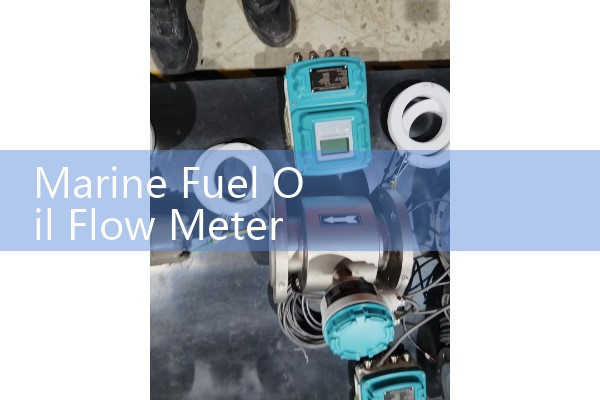
Last year a customer in Singapore, operating a VLCC bunkering in the Strait of Malacca, contacted us about a DN15 meter for their main engine fuel return line. They were tracking total fuel consumption but could not reconcile daily tank soundings. A 1.5% daily loss was hidden in measurement noise. We supplied a DN15 Coriolis mass flow meter with 4-20 mA HART output and a local display. Within three days of installation, the crew found a leaking valve seat on the return manifold. The leak was only 3.5 kg/h, impossible to see by eye, but the meter caught it. That single leak was costing them 84 kg per day, or over 2.5 metric tons per month. The meter paid for itself in six weeks.
Installation Tips for Small-Bore Fuel Lines
Mount the DN15 meter with at least 5 straight pipe diameters upstream and 3 downstream to maintain flow profile. If the fuel line has vibration, use rigid supports on both sides of the meter. Keep the electronics housing away from direct heat radiation from exhaust pipes. For heated fuel, insulate the meter body but do not cover the transmitter neck. Install a Y-strainer upstream if the fuel has solid contaminants. Use a bypass loop so you can isolate the meter for cleaning without stopping the fuel supply. And do not forget to zero the meter after installation at process temperature.
FAQ
Can a DN15 meter handle heavy fuel oil at 500 cSt?
Yes. Our DN15 Coriolis meters operate up to 500 cSt and 150 °C with no accuracy derating. For higher viscosity, we supply a steam trace heating jacket that maintains 50 °C above the pour point.
What output signals and approvals do you offer?
Standard outputs are 4-20 mA HART, pulse, and RS485 Modbus RTU. We can add ATEX Zone 1 Ex d and IECEx. Marine approvals include BV, DNV, and ABS type approval upon request.
How do you calibrate for small leak detection?
We perform a 5-point calibration across 2% to 100% of flow range. Every meter ships with an ISO 17025 traceable calibration certificate. The low-flow calibration points ensure we catch leaks as small as 0.5% of full scale.
What is the pressure rating of the DN15 meter?
Standard is PN40 (40 bar). We can supply PN100 with Hastelloy diaphragms for high-pressure fuel injection monitoring.
Can I use this meter for MGO and low-sulfur fuels?
Yes. The wetted materials are compatible with marine gas oil, ultra-low-sulfur fuel oil, and biodiesel blends. We recommend specifying 316L or Hastelloy for corrosive fuels.
Need a Quote?
Send us your fuel oil type, viscosity in cSt, operating temperature, flow range in kg/h or L/h, and pipe size (DN15 or other). We will return a datasheet, price, and delivery time within one business day. Email us at [email protected] or visit our contact page.
 Hot Product
 Related AD